







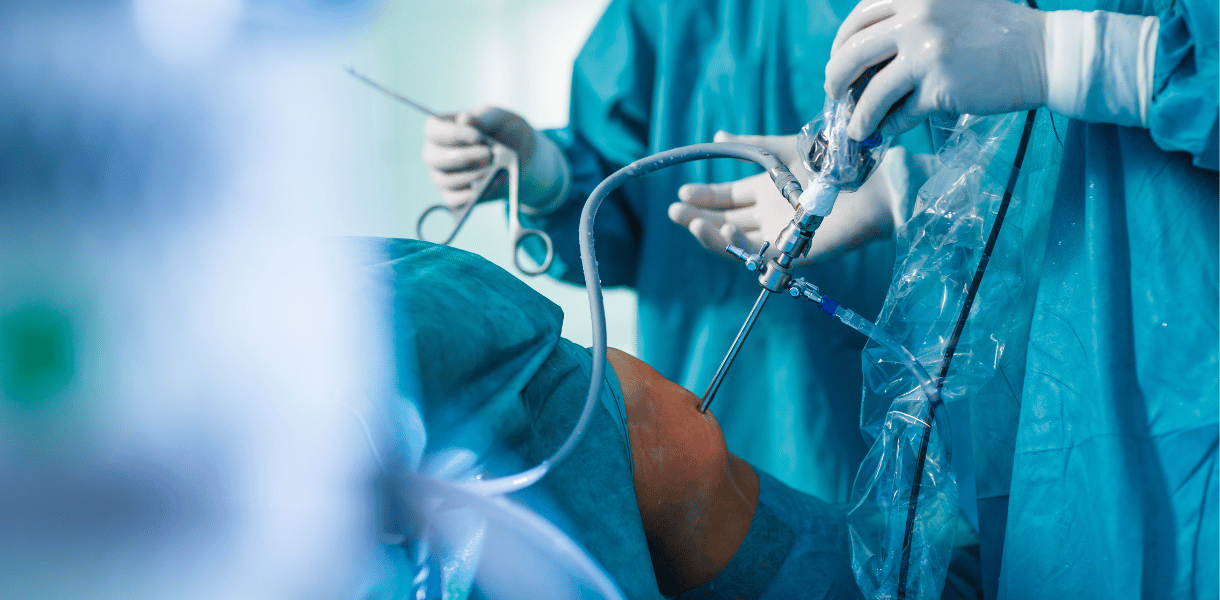
Why Choosing an Experienced Surgeon Matters More Than Ever in 2025
In today’s world of rapid medical advancements, AI-powered diagnostics, and robotic surgeries, it may seem like the machines are doing most of the work.
But when it comes to your health — especially something as serious as surgery — the experience of your surgeon still matters more than ever.
Whether you’re undergoing a heart bypass, joint replacement, cancer removal, or even cosmetic surgery, the skill, judgment, and experience of your human surgeon can make all the difference in your recovery, your safety, and your long-term outcomes.
In this post, we explore why surgical experience is more critical than ever in 2025, despite the rise of technology — and how to choose the right surgeon for you.
The Changing Face of Surgery in 2025
We are living in a medical revolution:
- Robotic-assisted surgeries are now common in top hospitals.
- Artificial intelligence (AI) helps in diagnosis, surgical planning, and even intraoperative decisions.
- Minimally invasive techniques are reducing recovery times and pain.
- Wearable devices help track vitals in real time post-surgery.
- Augmented reality (AR) and 3D imaging are improving visualization.
With all this technology, people might assume that the surgeon is simply following a script or letting machines do most of the work.
But that’s far from the truth.
Even in 2025 — Surgery Is Still a Human Skill
Technology is a powerful tool, but it doesn’t replace human experience — it enhances it.
Here’s why the surgeon still matters:
- Machines assist — humans decide.
- Surgical complications require immediate decision-making.
- Every patient is unique — experience helps in unpredictable scenarios.
- Robots follow programming — surgeons rely on judgment.
In fact, in a high-tech environment, having an experienced surgeon who understands both the human body and the tools is more important than ever.
1. Experience Equals Better Decision-Making Under Pressure
Even in the most controlled environments, surgeries don’t always go exactly as planned.
Bleeding, unexpected anatomy, complications from anesthesia — these situations demand quick, confident decisions.
An experienced surgeon:
- Has seen and handled such challenges before.
- Knows when to pause, re-assess, or change course.
- Can manage complications with calm expertise.
In contrast, less experienced surgeons may hesitate, over-rely on technology, or struggle under pressure.
2. Better Surgical Outcomes Linked to Surgeon Volume
Multiple studies over the last decade show that surgeons who perform more procedures (higher volume) generally deliver better outcomes.
Why?
- Repetition builds skill.
- High-volume surgeons are familiar with variations in anatomy and technique.
- They develop better hand-eye coordination, speed, and accuracy.
In fact, some hospitals publish surgeon volumes and outcomes publicly — and it’s one of the best indicators of quality care.
3. Experience Enhances Judgment, Not Just Technique
Surgical skill isn’t just about making cuts and placing sutures.
It’s about:
- Knowing when NOT to operate.
- Choosing the right procedure for the right patient.
- Managing pre- and post-operative care holistically.
- Being able to counsel patients and families on risks, alternatives, and recovery expectations.
In 2025, with many “technologically advanced” options available, the judgment of an experienced surgeon ensures that you get the right treatment — not just the most modern one.
4. Technology Can Fail — Human Skill Steps In
No matter how advanced, machines can:
- Malfunction
- Lose calibration
- Display incorrect data
- Be misunderstood by inexperienced users
In such moments, your experienced surgeon is your best safety net. They can:
- Continue the surgery manually
- Make fast, data-driven decisions
- Prevent or correct surgical errors
- Keep the operating team focused and calm
Experience builds confidence, and that confidence can literally save lives.
5. Personalized Surgery Demands Human Understanding
Each patient is different:
- Different age, weight, bone structure, organ position
- Different disease progression
- Different response to medications
- Different emotional and mental health profile
An experienced surgeon knows how to adapt:
- Tailor the approach for each body
- Modify techniques based on patient’s unique needs
- Make real-time adjustments in the operating room
Robots and AI can’t fully understand human variability — but experienced surgeons do.
6. Postoperative Care & Complication Management
Your journey doesn’t end in the operation theatre.
What happens after the surgery is just as important:
- Monitoring healing
- Managing infections, clots, or bleeding
- Guiding rehab
- Adjusting medications
Experienced surgeons know what signs to watch for and how to prevent small problems from becoming big ones.
7. Experience Builds Patient Trust
Imagine this:
You’re about to undergo a major surgery. You’re nervous, full of questions.
Now picture two different scenarios:
- Surgeon A: Confidently explains the procedure, answers every question, and shows you results from hundreds of similar surgeries.
- Surgeon B: Seems unsure, avoids details, and looks to the robot screen more than you.
Who would you trust more?
In 2025, with so much information (and misinformation) available online, patients crave human reassurance. Experienced surgeons bring a level of trust, calm, and credibility that technology alone cannot offer.
8. Navigating Complex Cases
Not all cases are straightforward.
Patients with:
- Multiple health conditions
- Previous surgeries
- Rare anatomy
- Complicated tumors or joint damage
These cases cannot be handled by protocol alone.
They need:
- Surgical creativity
- Cross-specialty knowledge
- Years of practice and pattern recognition
This is where an experienced surgeon truly shines.
9. Leadership in the Operating Room
Surgery is a team effort.
It involves:
- Nurses
- Anesthesiologists
- Assistants
- Technicians
The surgeon leads the team. An experienced surgeon:
- Sets the tone for safety and precision
- Coordinates every step efficiently
- Communicates clearly in critical moments
- Maintains discipline and order during the procedure
This leadership ensures smoother surgeries and better outcomes.
10. Ethical, Honest Advice
In 2025, with corporate hospitals, insurance pressures, and fast-changing technologies, patients often feel confused or rushed into decisions.
Experienced surgeons:
- Give honest advice, even if it means suggesting less expensive or non-surgical treatments
- Value long-term relationships over one-time procedures
- Focus on what’s best for the patient, not what’s trending
They’ve seen trends come and go — and know how to separate hype from value.
How to Find an Experienced Surgeon in 2025
Here are practical steps to identify a truly experienced and trustworthy surgeon:
1. Check Credentials
Look for:
- Board certification
- Fellowship training in the relevant specialty
- Membership in reputed surgical associations
2. Ask About Experience
Questions to ask:
- How many surgeries like mine have you done?
- What is your success and complication rate?
- How long have you been performing this procedure?
3. Read Reviews and Testimonials
- Check Google, Practo, Hospital websites
- Focus on real patient experiences
- See how the surgeon communicates and supports post-surgery
4. Evaluate Their Hospital Setup
- Do they operate in an advanced facility?
- Is the hospital equipped for emergencies?
- Do they have robotic or minimally invasive options?
5. Trust Your Instinct
During consultation:
- Do you feel heard?
- Are your questions answered?
- Do they seem confident and compassionate?
Experience is not just about years — it’s about how they make you feel as a patient.
Common Myths About Surgical Experience
Let’s bust a few myths:
Myth 1: All robotic surgeons are experts
➡ Not necessarily. Even robotic surgery requires skilled, experienced hands to guide the system.
Myth 2: Young surgeons are better because they know the latest techniques
➡ New isn’t always better. Without real-world experience, knowledge can fall short.
Myth 3: Surgeons with big social media followings are always the best
➡ Online presence doesn’t always equal operating room performance.
The Brainox AI Perspective: Where Tech Meets Human Expertise
At Brainox AI, we believe in the perfect partnership between technology and experience.
AI, robotics, and modern tools empower good surgeons to become great surgeons — but they don’t replace human wisdom, empathy, and precision.
Our platform helps patients:
- Find verified, experienced surgeons across specialties
- Learn about procedures in simple language
- Compare hospital and doctor profiles
- Understand AI-assisted surgery with clarity
- Book consultations with the best minds in medicine
Because in 2025, making the right surgical decision means trusting both science — and experience.
Final Thoughts: Choose Wisely, Heal Strong
Surgery is a life-altering decision. In an age of machines, never forget the value of human hands and the wisdom of human minds.
The most advanced tools in the world are only as good as the people using them.
So when you or a loved one needs surgery, ask yourself:
- Am I choosing someone with knowledge AND experience?
- Can I trust them to do the right thing — even in uncertain moments?
- Will they treat me like a patient, not a procedure?
If the answer is yes, you’re in safe hands.
